Introduction
Planning a successful event requires excellent organization, communication, and attention to detail. Whether managing weddings, corporate events, conferences, exhibitions, or private celebrations, event planners handle multiple responsibilities at the same time.
From communicating with clients and coordinating vendors to managing schedules, budgets, guest information, and team activities, every event involves hundreds of moving parts. Even a small mistake can affect the overall experience and reputation of an event planning business.
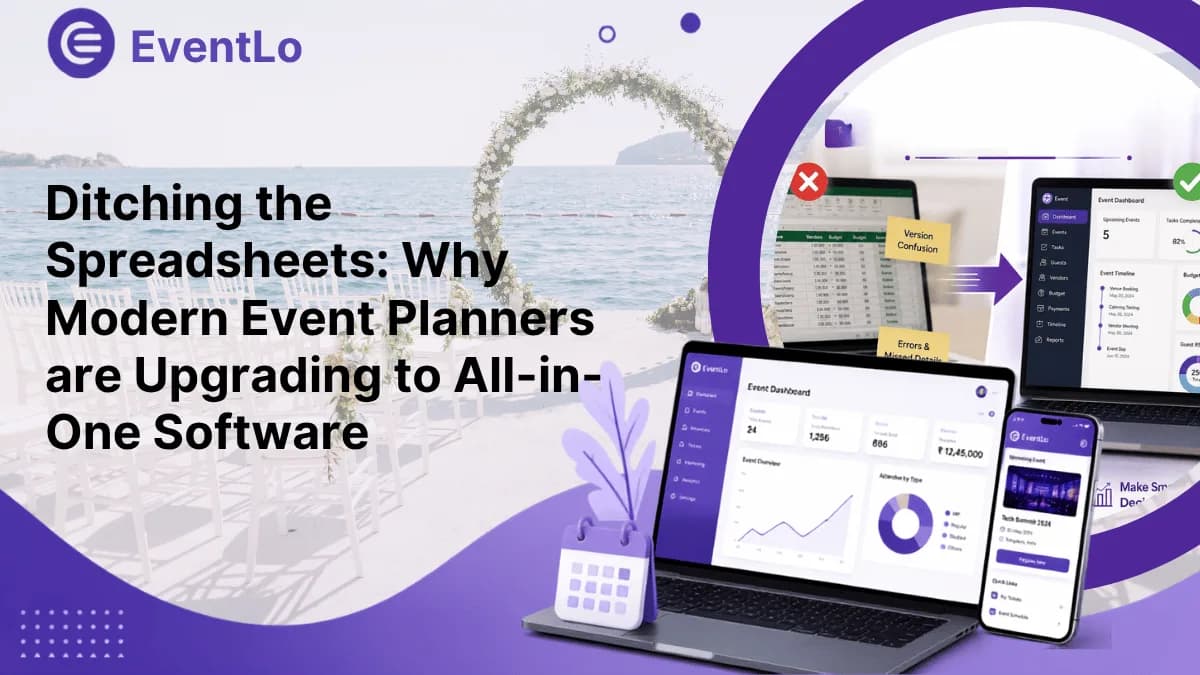
Traditional methods such as spreadsheets, emails, and separate communication tools can make event management complicated. Information may become scattered, deadlines can be missed, and teams may struggle to stay updated.
This is where event management software helps professional planners create a more organized workflow. By bringing different planning activities into one centralized platform, event professionals can save time, improve collaboration, and deliver better experiences.
However, choosing the right software requires understanding the features that actually support event planning operations.
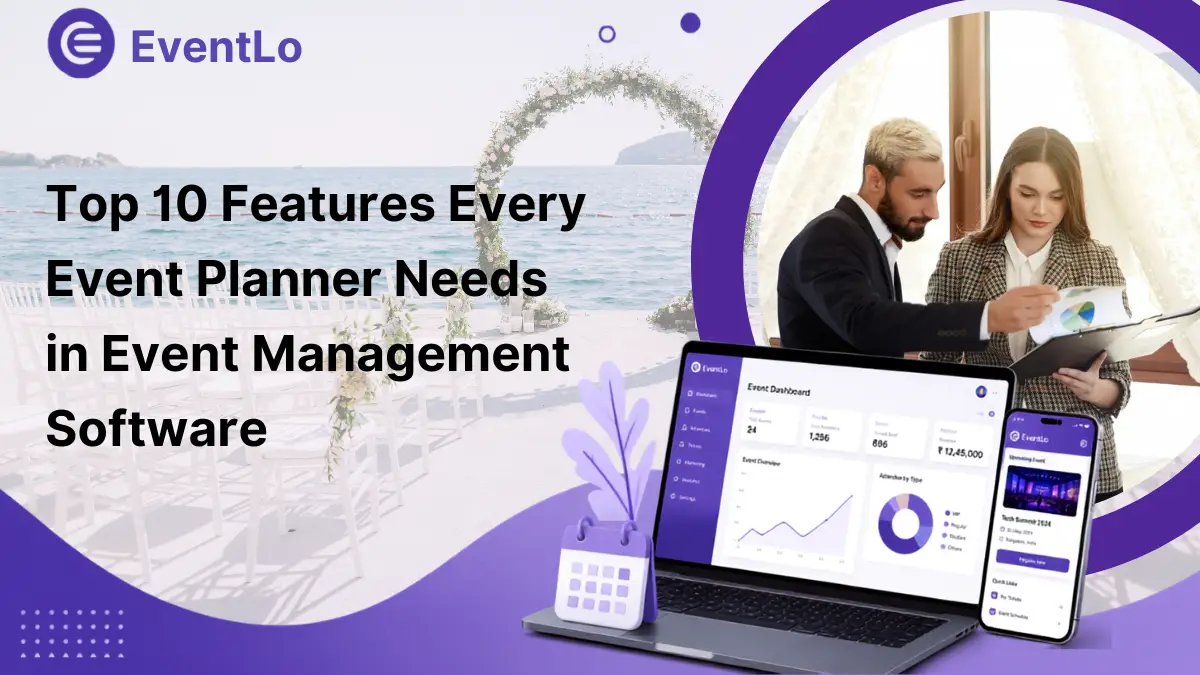
Here are the top 10 features every event planner should look for in event management software.
1. Client Management and CRM Integration
Clients are the foundation of every event planning business. Managing client information properly is essential for providing personalized service and maintaining strong relationships.
A reliable software solution should allow planners to manage:
Client contact details
Event requirements
Communication history
Project updates
Approval records
A centralized client management system ensures that planners and teams can quickly access important information whenever required.
This improves communication, reduces confusion, and creates a more professional client experience.
2. Event Project and Task Management
Every event involves multiple activities that need to be completed within specific timelines.
Without proper task management, important responsibilities can easily be missed.
A good platform should help planners:
Create event checklists
Assign tasks to team members
Set deadlines
Track completion status
Monitor project progress
Task management ensures that every team member understands their responsibilities and helps events move forward smoothly.
3. Vendor Management System
Event planners work with several vendors, including venues, caterers, decorators, photographers, and suppliers.
Managing vendor information manually can create delays and communication problems.
A useful software system should help planners organize:
Vendor databases
Contact information
Service details
Assigned tasks
Payment information
Better vendor management improves coordination and helps ensure every partner delivers their services on time.
4. Budget and Expense Tracking
Financial management is one of the most important aspects of event planning.
Planners need complete visibility into event expenses to maintain profitability and provide transparency to clients.
Software should include tools for managing:
Event budgets
Vendor payments
Expenses
Invoices
Payment schedules
Accurate financial tracking helps planners avoid overspending and maintain better control over event finances.
5. Event Timeline and Scheduling
Timing plays a major role in successful event execution.
From vendor arrival times to guest activities and program schedules, every moment needs proper coordination.
A good event management system should provide scheduling features that allow planners to organize:
Event timelines
Important deadlines
Vendor schedules
Team activities
A structured timeline reduces delays and ensures smooth execution on the event day.
6. Guest and Attendee Management
Managing guests is an important part of many events, especially weddings, conferences, and corporate gatherings.
Handling guest information manually can become difficult as attendee numbers increase.
A professional platform should help manage:
Guest lists
Registration details
RSVP status
Attendance tracking
Special requirements
Better guest management improves organization and enhances the overall attendee experience.
7. Team Collaboration Tools
Large events require multiple people working together, including planners, coordinators, designers, and support teams.
Without proper collaboration, important updates may not reach the right people.
A good software solution should provide:
Shared project access
Task assignments
Internal updates
Progress tracking
Improved collaboration allows teams to work more efficiently and reduces communication gaps.
8. Document and File Management
Event planning involves managing many important documents, such as:
Client contracts
Vendor agreements
Quotations
Invoices
Event plans
Keeping documents in different locations can waste time and create confusion.
A built-in document management feature allows planners to store, organize, and access files easily whenever needed.
This improves productivity and keeps important information secure.
9. Reporting and Analytics
Data helps event businesses understand their performance and improve their processes.
A powerful reporting system can provide insights into:
Event progress
Client pipeline
Revenue performance
Task completion
Business growth
These insights help planners make informed decisions and identify areas where operations can be improved.
10. Mobile Accessibility
Event planning often requires professionals to work outside the office.
During venue visits, client meetings, or event execution, planners need access to important information anytime.
Mobile-friendly software allows teams to:
Check schedules
Update tasks
Access client details
Communicate with teams
Mobile accessibility improves flexibility and helps planners manage events efficiently from anywhere.
Conclusion
The success of an event depends on how effectively every detail is planned and executed. While creativity and experience are important, professional event planners also need efficient systems to manage complex operations.
Choosing software with the right features helps businesses organize workflows, improve communication, coordinate vendors, manage finances, and deliver exceptional experiences.
The right event management software is not just a planning tool; it becomes a complete operational system that helps event professionals save time, reduce errors, and grow their businesses.
For modern event planners looking to improve efficiency and stay competitive, investing in a feature-rich digital solution can create a strong foundation for long-term success.